Editorial Platform — Informational content only. No services, no sales, no deliveries. Read full notice
Editor's Pick 2026

Master Portion Control & Healthy Cooking

Explore our comprehensive guides, recipes, and educational resources to transform how you approach nutrition and meal preparation. Learn evidence-based strategies from culinary and nutrition experts.

Medical Disclaimer

The information on this site is for educational purposes only and does not constitute medical advice. Always consult a qualified healthcare professional before making health decisions.

Browse by Category

Featured Content

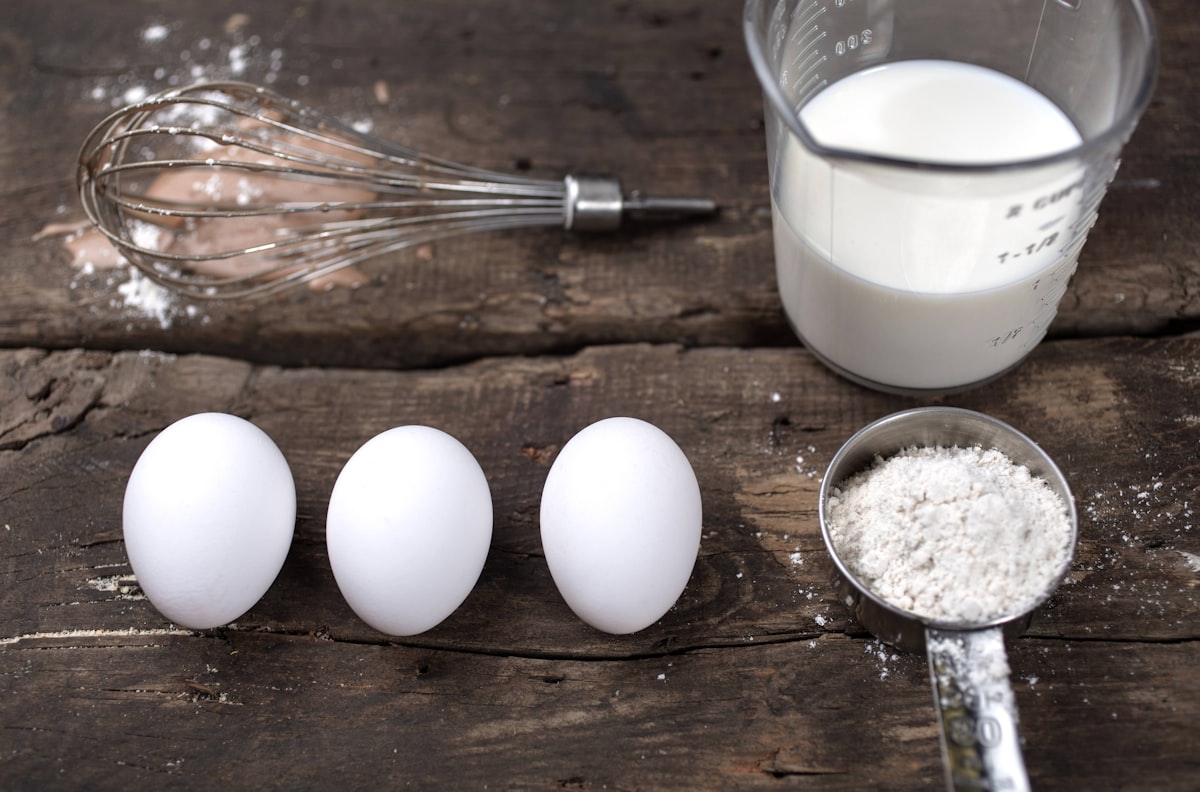
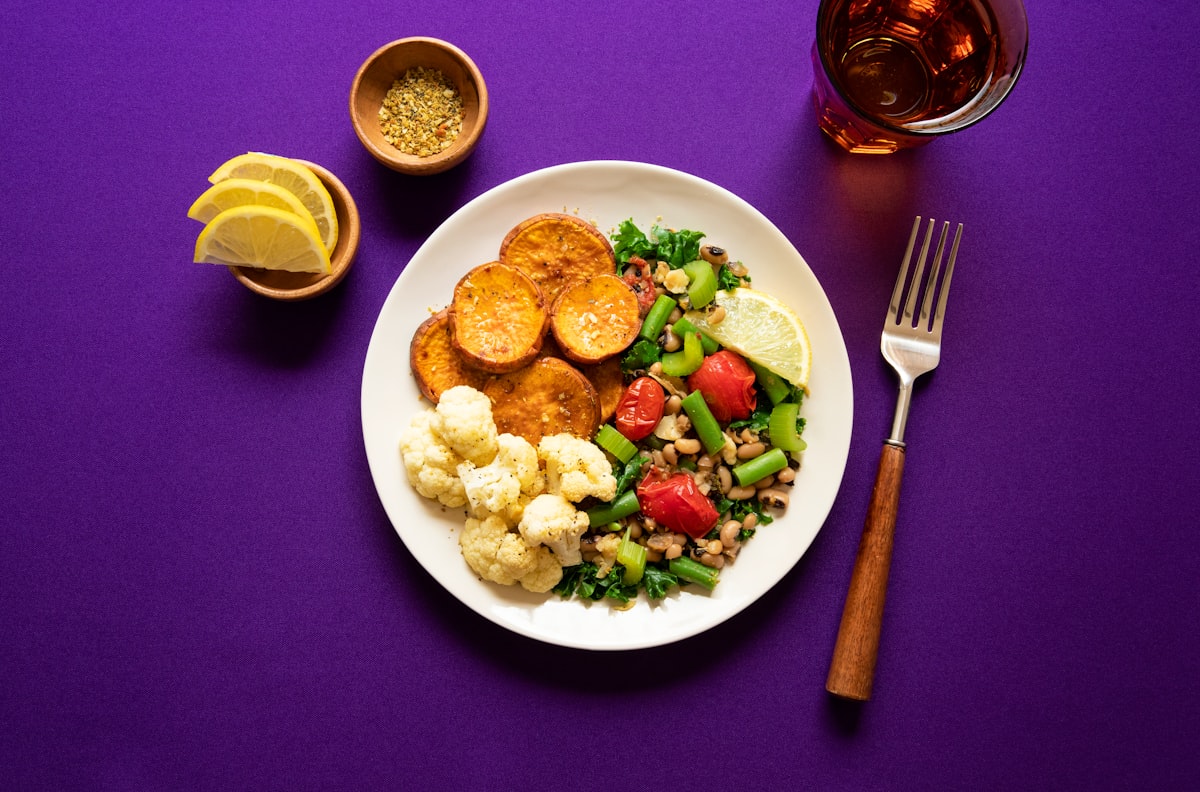
Understanding proper plate portions
Portion Sizes

Understanding Proper Plate Portions: The Visual Guide

Learn how to visually estimate appropriate serving sizes using simple hand and plate measurements. This practical guide breaks down macronutrient ratios and shows how to build balanced meals without complex calculations.

Read More →
Weekly meal planning strategy
Meal Planning

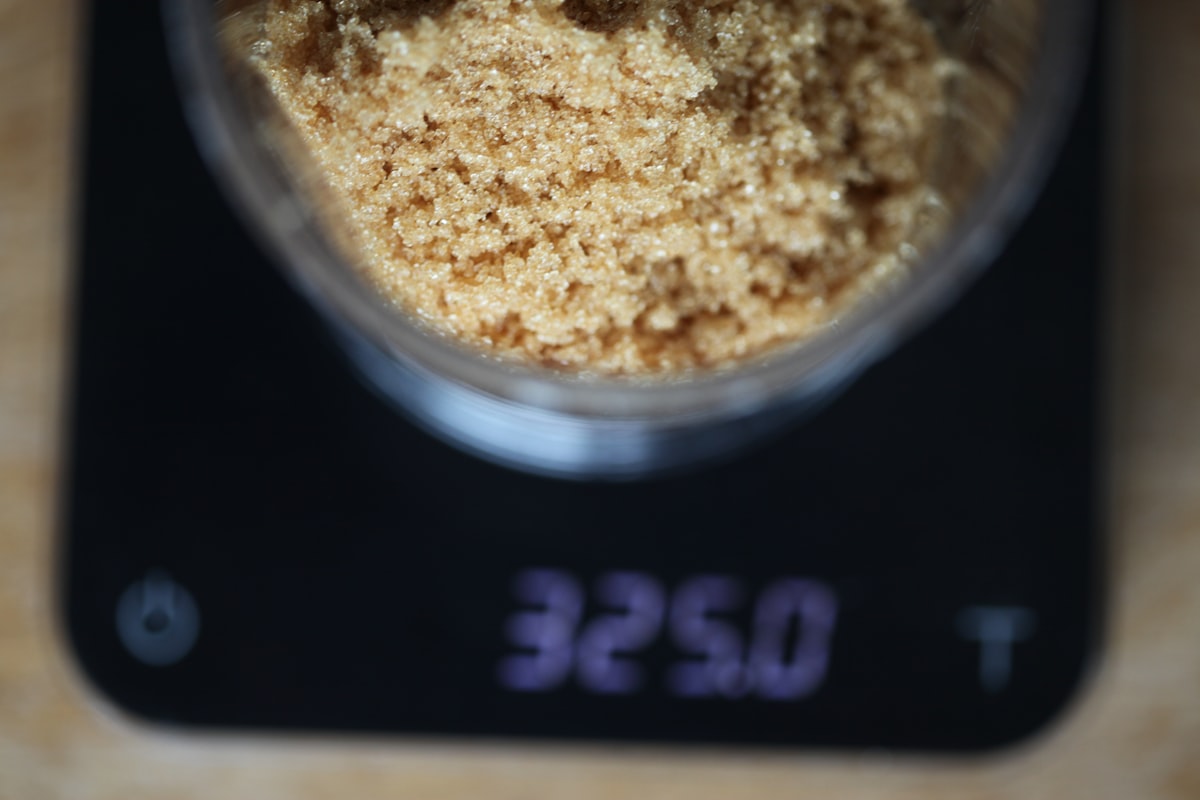
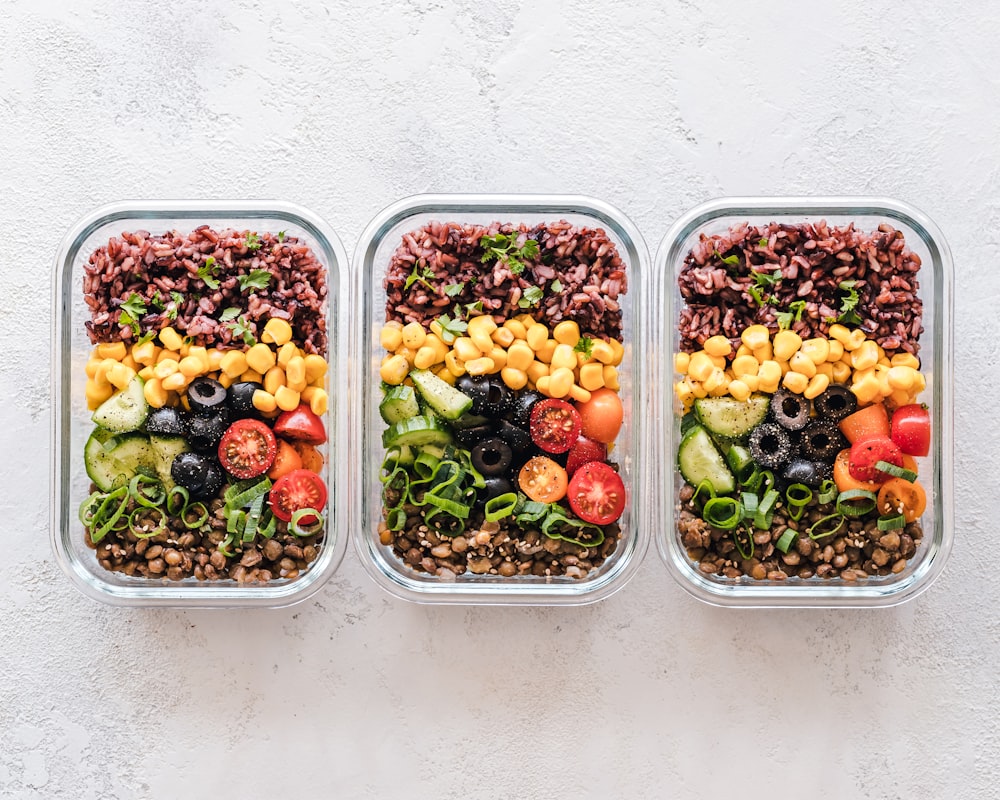
Weekly Meal Planning for Portion Control Success

Discover a systematic approach to planning your weekly meals with precise portions. This article covers grocery shopping strategies, batch cooking techniques, and how to adapt recipes to fit your nutritional goals.

Read More →
Healthy cooking methods explained
Cooking Techniques

Essential Healthy Cooking Methods for Nutritious Meals

Explore steaming, grilling, baking, and other cooking techniques that preserve nutrients while minimizing added fats. Learn how different cooking methods affect portion satisfaction and food quality.

Read More →
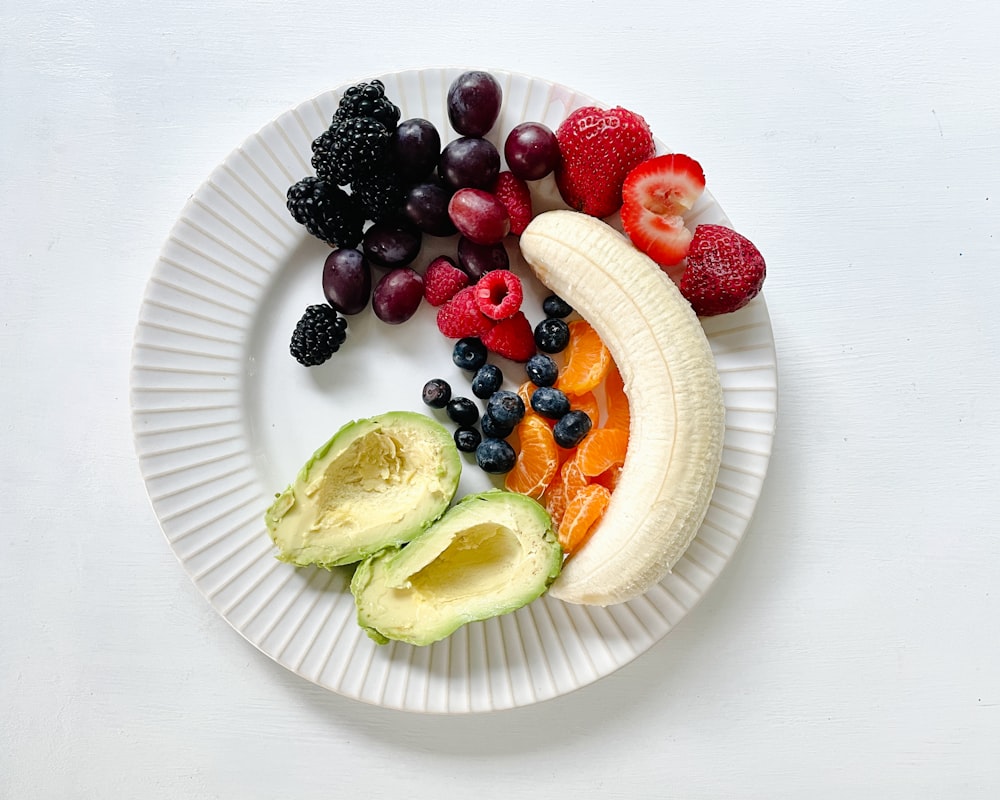
Balanced breakfast recipes
Recipes

Perfectly Portioned Breakfast Recipes to Start Your Day

Collection of nutritionally balanced breakfast ideas with exact measurements and macronutrient information. These recipes combine protein, whole grains, and vegetables to keep you satisfied throughout the morning.

Read More →
Macronutrient balance guide
Nutrition Basics

Understanding Macronutrients: Building Balanced Plates

Deep dive into proteins, carbohydrates, and fats—what they do, how much you need, and how to balance them for sustained energy. Includes practical examples of portion-controlled meals across different dietary approaches.

Read More →
Mindful eating practices
Nutrition Basics

Mindful Eating: How to Enjoy Food While Honoring Portions

Explore the psychology of eating, hunger cues, and satiety signals. This guide teaches you to slow down, appreciate your meals, and develop a healthier relationship with food through conscious portion awareness.

Read More →
Dining out portion tips
Portion Sizes

Mastering Portions When Dining Out: Practical Strategies

Restaurant portions are often oversized. Learn how to navigate menus, request modifications, and manage portions while enjoying social meals. Includes strategies for different cuisine types and restaurant settings.

Read More →
Food storage and preparation
Cooking Techniques

Food Storage & Prep: Keeping Portions Fresh and Safe

Master proper food storage, portion containers, and meal prep timing. This comprehensive guide covers refrigeration, freezing, and reheating techniques to maintain nutritional quality and food safety for your portioned meals.

Read More →
Top Pick

Tools & Resources

📏
Recommended

Portion Size Reference Chart

Visual guide showing standard portion sizes for common foods, from grains and proteins to vegetables and fruits. Printable PDF format for easy kitchen reference.

📋
New

Weekly Meal Planning Template

Structured planning template to organize your weekly meals with portion specifications. Includes grocery list section and quick macronutrient calculation guide for balanced meals.

🍽️
Editor's Choice

Hand Portion Measurement Guide

Learn to estimate portions using your hand as a natural measuring tool. No scales needed—simple hand comparisons for proteins, carbs, fats, and vegetables at any meal.

📊
Popular

Macronutrient Calculator Tool

Interactive calculator to determine your daily macronutrient needs based on activity level and goals. Helps you understand how to build your portioned meals for specific nutritional targets.

🎯
Trending

Recipe Scaling Worksheet

Tool to easily adjust recipe portions up or down while maintaining balanced nutritional composition. Essential for batch cooking and meal prep consistency across servings.

📚

Healthy Cooking Glossary

Comprehensive reference of cooking methods, food preparation terms, and nutritional concepts. Helpful for understanding recipe instructions and making informed food preparation choices.

Frequently Asked Questions

Q What is a standard portion size for protein?

A standard protein portion is typically 3-4 ounces (about the size of your palm) for most adults. This equals roughly 25-35 grams of protein. Common sources include lean meat, fish, poultry, legumes, tofu, and eggs. The exact amount may vary based on individual activity level and nutritional goals.

Q How do I measure portions without a food scale?

Use simple visual comparisons: your fist for grains, your palm for protein, your thumb for fats, and your hand open for vegetables. Measuring cups and spoons are also affordable and practical alternatives. These methods provide reasonable accuracy for home cooking and meal planning.

Q How often should I eat throughout the day?

There is no single "correct" eating frequency. Most research supports either three balanced meals or three meals plus snacks, depending on your schedule and hunger patterns. What matters most is choosing nutritious, appropriately-portioned foods and listening to your body's hunger cues.

Q Can I eat restaurant meals while managing portions?

Absolutely. Ask for dressings and sauces on the side, request half-portions or boxes to take home, and choose grilled or baked preparations. Review menus in advance, and don't hesitate to request modifications. Social meals are important—focus on enjoying them mindfully within reasonable portions.

Q How do I adjust portion sizes as my activity changes?

More activity requires more energy (calories) from food. Generally, add 150-200 calories (a snack) on days with intense exercise. Less active days may require slightly smaller portions. Pay attention to hunger cues and energy levels to guide your adjustments. Consistency matters more than precision.

Q What's the best way to start meal prepping?

Begin small: choose 2-3 simple recipes, cook one protein, one grain, and one vegetable. Portion into containers, refrigerate for 3-4 days, or freeze for longer storage. Start with prepping just 2-3 days of meals rather than a full week. As you develop routines, expand your preparation strategy.

Dive Deeper Into Healthy Eating

Explore our complete collection of articles, guides, and resources covering portion control, healthy cooking techniques, and practical nutrition strategies. Our editorial team regularly updates content with research-backed information and expert insights.

About Vitalmeals Academy

🎓

Educational Mission

We provide evidence-based content on portion control, healthy cooking, and practical nutrition strategies. Our articles combine scientific research with real-world kitchen experience.

👨‍🍳

Expert Contributors

Our editorial team includes nutrition educators, culinary professionals, and food science specialists who share practical knowledge for better eating habits.

📖

Always Learning

We regularly review research, update our content, and expand our resource library. Your feedback helps us create more useful articles and tools for healthy eating.

Our Editorial Approach

All content on Vitalmeals Academy is created with the intent to educate and inform about portion control, healthy cooking, and practical nutrition strategies. Our articles are based on widely accepted nutritional principles and culinary practices. We encourage you to consider your individual circumstances, preferences, and any personal considerations when applying information from our articles.

For more details about our content guidelines and limitations, please review our disclaimer page.

This site provides educational content only. We do NOT offer medical consultations, sale of products, deliveries, or refund policies. For medical advice, consult a licensed professional.